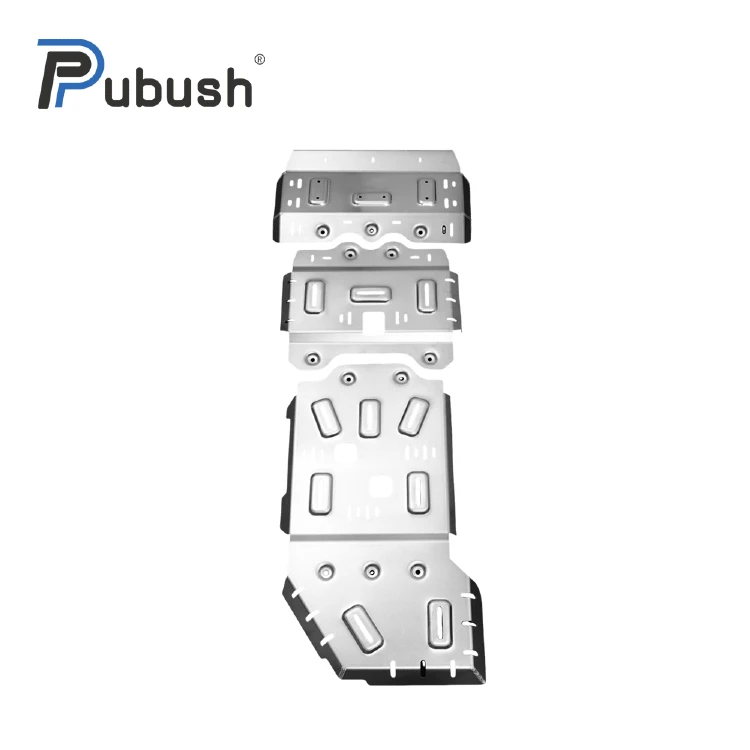
Chassis protective armor can be classified according to product type and material chemical properties.
Classification by Product Type
Based on product type, it is mainly divided into chassis sealing and chassis armor. Chassis sealing involves spraying a highly adhesive, highly elastic rubber resin material onto the chassis to form a protective film. Its main functions are rust prevention and impact protection, but its sound insulation and noise reduction effects are limited. Chassis armor is a more advanced protective coating, usually composed of materials such as rubber, polyester, or resin. After spraying, it forms a 2-4 mm thick elastic sealing layer. In addition to rust prevention and impact protection, it also has significant sound insulation, heat insulation, and reduced damage from bottoming out.
Classification by Material Chemical Properties
Based on material chemical properties, chassis rust-preventive adhesives can be mainly divided into three categories. Chassis rust-preventive adhesives containing asphalt are first-generation products, inexpensive, but prone to cracking after drying. Water accumulation in the cracks will accelerate chassis corrosion. Oil-based (solvent-based) chassis rust inhibitors are second-generation products. They contain toxic substances such as toluene, which are harmful to the human body. The adhesive layer is hard and brittle, prone to cracking, and has only average sound insulation. Water-soluble chassis rust inhibitors, also known as environmentally friendly chassis rust inhibitors, use water as a diluent, do not contain toxic substances, have strong adhesion, good elasticity, and significantly improve chassis sound insulation.