To quickly dampen vibrations between the chassis and body, improving ride smoothness and comfort, shock absorbers are generally installed in automotive suspension systems. Double-acting telescopic shock absorbers are widely used in automobiles.
Shock absorbers are wear-prone parts in automotive use. Their performance directly affects the vehicle's stability and the lifespan of other components. Therefore, we should keep shock absorbers in good working condition at all times. The following methods can be used to check if the shock absorbers are working properly:
1. Drive the car for 10km on a road with poor conditions and then stop. Touch the shock absorber housing. If it is not hot, it indicates that there is no internal resistance and the shock absorber is not working. In this case, add an appropriate amount of lubricating oil and test again. If the housing becomes hot, the shock absorber is short of oil and should be filled with oil. Otherwise, the shock absorber has failed.
2. Press down firmly on the bumper and then release. If the car bounces 2-3 times, the shock absorbers are working properly.
3. If the car vibrates violently when braking suddenly while moving slowly, it indicates a problem with the shock absorbers.
4. Remove the shock absorber, stand it upright, and clamp the lower connecting ring in a vise. Pull and compress the shock absorber rod several times. There should be stable resistance; the resistance when pulling upwards should be greater than the resistance when pressing downwards. If the resistance is unstable or there is no resistance, it may indicate insufficient oil inside the shock absorber or damaged valve parts. Repair or replace the parts.
After determining that the shock absorber is faulty or has failed, first check for oil leaks or signs of old oil leaks.
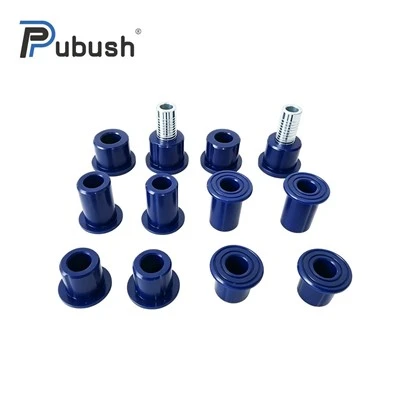
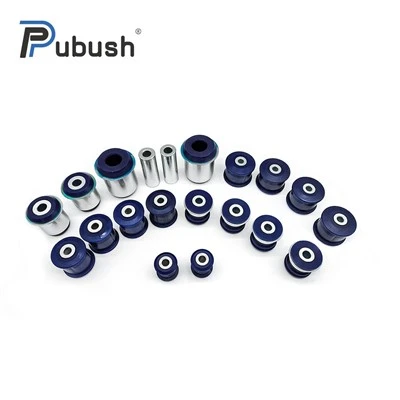
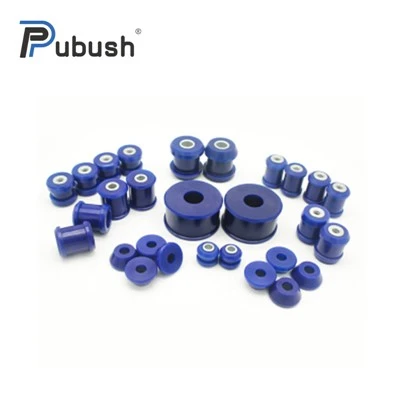
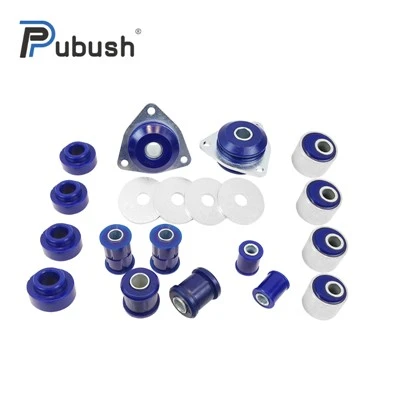
If the shock absorber is not leaking oil, check the bushings and other components for damage, detachment, cracks, or loose parts. If the above checks are normal, the shock absorber should be further disassembled to check if the clearance between the piston and cylinder is excessive, if the cylinder is scored, if the valve seal is good, if the valve disc and valve seat fit tightly, and if the shock absorber's extension spring is too soft or broken. Repair by grinding or replacing parts according to the condition of the shock absorber's connecting pin, connecting rod, connecting hole, and rubber.
Additionally, shock absorbers may produce noise during actual use. This is mainly due to collisions between the shock absorber and the leaf spring, frame, or axle; damaged or detached rubber pads; deformation of the shock absorber's dust cover; and insufficient oil. The cause should be identified and repaired.
After inspection and repair, the shock absorber should undergo a performance test on a specialized test bench. When the resistance frequency is 100±1mm, the resistance during extension and compression strokes should meet the specifications, indicating that the shock absorber is basically normal.